

Ask an Orthopedic Surgeon: Answers to Your Top Bone and Joint Questions
Patient Education | Tacoma, Gig Harbor & Lakewood
Ask an Orthopedic Surgeon:
Answers to Your Top Bone and Joint Questions
Clear, trusted answers from the orthopedic team at Proliance Puget Sound Orthopaedics on frozen shoulder, carpal tunnel, knee replacement recovery, and orthopedic urgent care. We see patients in Tacoma, Gig Harbor, and Lakewood, with walk-in orthopedic urgent care in Tacoma.
Medically reviewed by John T. Heffernan, MD, Orthopedic Surgeon, Shoulder, Elbow and Sports Medicine.
Last updated October 19, 2026.
Quick Answers
- Frozen shoulder, heat or ice? Use moist heat before stretching and ice after activity or when pain flares. See frozen shoulder answers
- Can carpal tunnel come back after surgery? It is uncommon. Most patients have lasting relief. See carpal tunnel answers
- How to sleep after knee replacement? On your back with the leg straight, a pillow or stack of blankets under your calf and heel, not your knee. See knee replacement answers
- Injured today? Walk in to orthopedic urgent care in Tacoma, Tuesday to Saturday, 11 AM to 7 PM. No referral needed. See urgent care answers
Frozen Shoulder Carpal Tunnel Knee Replacement Orthopedic Urgent Care Appointments
Shoulder
Frozen Shoulder Questions
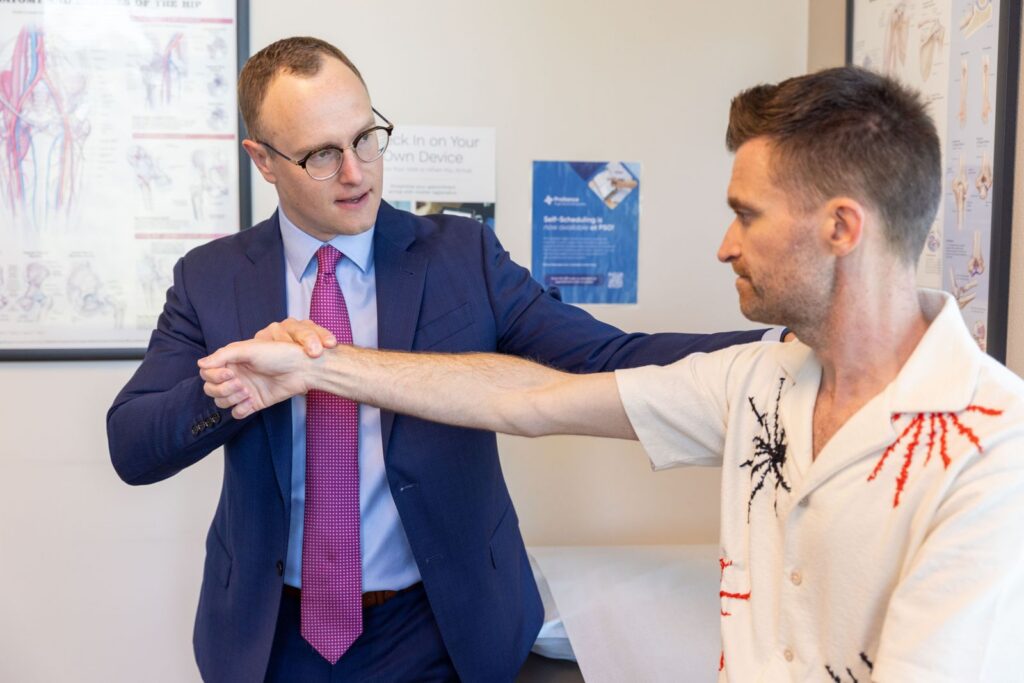
Frozen shoulder is one of the most searched orthopedic conditions in our area. Here is what our shoulder specialists want you to know.
What is frozen shoulder?
Frozen shoulder, also called adhesive capsulitis, happens when the tissue around the shoulder joint thickens and tightens, causing pain and stiffness. It usually moves through three stages: freezing (pain slowly increases and motion decreases), frozen (pain may ease but stiffness remains), and thawing (motion gradually returns). It is most common in adults ages 40 to 60 and in people with diabetes.
Is heat or ice better for frozen shoulder?
Both can help, at different times. Moist heat for 10 to 15 minutes before stretching relaxes tight tissue and makes movement easier. Ice for 10 to 15 minutes after activity, or when pain flares, can calm soreness. Many patients use heat before their exercises and ice after. Always place a towel between your skin and the heat or ice pack.
How can I cure frozen shoulder quickly?
There is no instant cure, but treatment can shorten the painful phase and restore motion sooner. The most effective approach is gentle, daily stretching, often guided by a physical therapist, combined with anti-inflammatory medication. A corticosteroid injection from an orthopedic provider can reduce pain so you can stretch more effectively. If stiffness lasts despite treatment, a surgeon may recommend a procedure to release the tight joint capsule.
How long does frozen shoulder last?
Without treatment, frozen shoulder often lasts 1 to 3 years as it moves through its stages. With early, consistent treatment, many patients feel meaningful improvement in pain and motion much sooner. Seeing an orthopedic specialist early helps confirm the diagnosis and rule out other causes, such as a rotator cuff tear.
What should I do if my frozen shoulder pain is unbearable?
Severe pain that keeps you from sleeping or doing daily tasks is a good reason to see an orthopedic specialist. A provider can confirm the diagnosis and offer options like a corticosteroid injection, prescription anti-inflammatory medication, and a guided physical therapy plan. Avoid forcing painful stretches on your own, which can make inflammation worse.
Hand & Wrist
Carpal Tunnel Questions
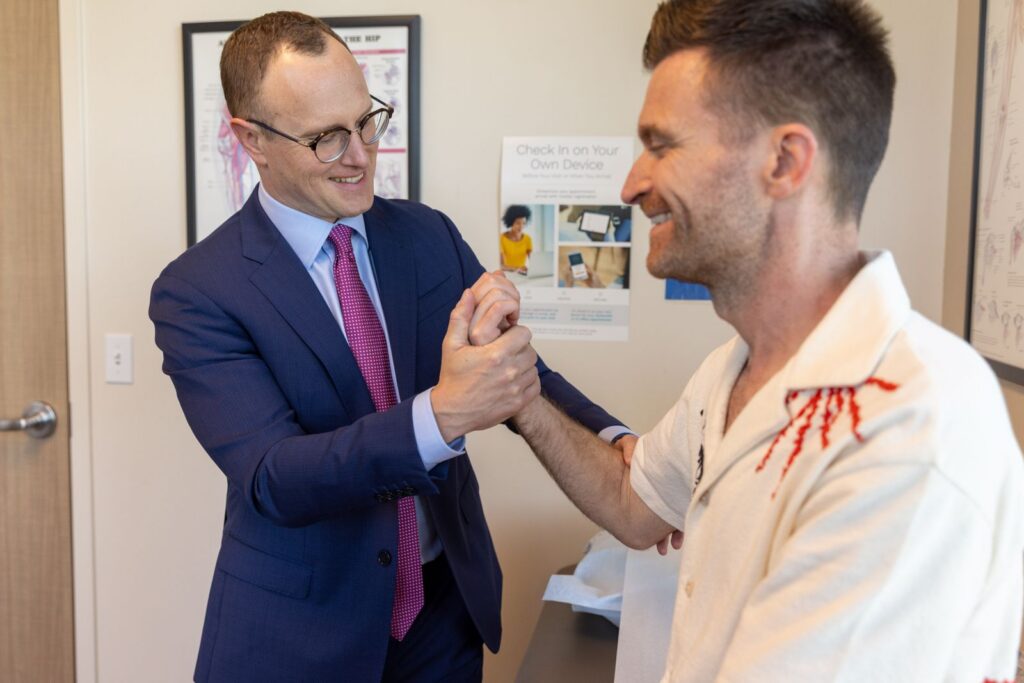
Carpal tunnel release is one of the most common hand surgeries. These are the questions patients ask most before and after treatment.
Can carpal tunnel come back after surgery?
It is uncommon. Most people have lasting relief after carpal tunnel release surgery, and true recurrence affects only a small percentage of patients, sometimes years later. When symptoms return, the cause may be scar tissue around the nerve, a related condition like arthritis or a pinched nerve in the neck, or repetitive strain. An orthopedic hand specialist can find the cause and recommend the right treatment.
Why does my hand still hurt after carpal tunnel surgery?
Some soreness, swelling, and tenderness in the palm is normal for several weeks to a few months after surgery. Numbness and tingling may also take time to fade, especially if the nerve was compressed for a long time before surgery. If pain is getting worse instead of better, or you notice new numbness or weakness, contact your surgeon.
How can I keep carpal tunnel from coming back?
Keep your wrists in a neutral, straight position when typing or using tools, take short breaks from repetitive hand tasks, and stretch your hands and wrists throughout the day. Wearing a wrist splint at night can help if symptoms start to return. Managing health conditions linked to carpal tunnel, such as diabetes and thyroid disease, also helps.
Knee & Joint Replacement
Knee Replacement Recovery Questions
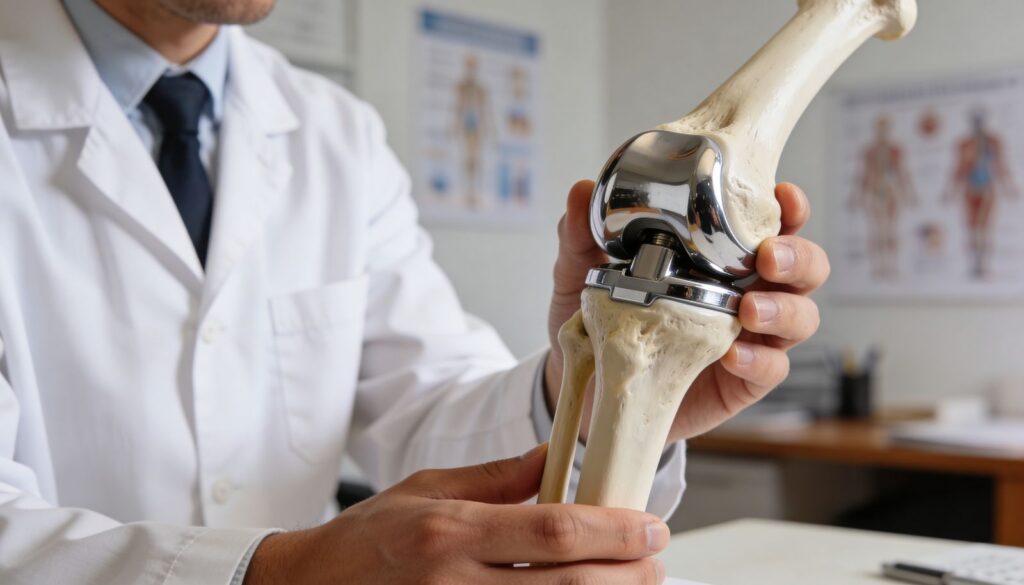
Sleep and activity after knee replacement are top concerns for our joint replacement patients. Always follow your own surgeon’s instructions first.
How should I sleep after knee replacement surgery?
For the first few weeks, most surgeons recommend sleeping on your back with your leg straight. To reduce swelling, raise the whole leg with a pillow or stack of blankets under your calf and heel, not under your knee. Keeping the knee straight while you sleep helps protect the full extension you need to walk normally.
Can I sleep on my side after knee replacement?
Yes, once you are comfortable, which for many patients is a few weeks after surgery. Lie on the side that was not operated on and place a pillow between your knees to keep your leg aligned. Ask your surgeon when it is safe for you, since recovery timelines vary.
Why should I avoid putting a pillow under my knee after knee replacement?
A pillow under the knee keeps it bent for hours at a time. That can make the knee stiff and harder to straighten fully, which affects how you walk. Support your calf and heel with a pillow or stack of blankets instead so the knee stays straight.
What activities should I avoid after a knee replacement?
Most surgeons recommend avoiding high-impact activities like running, jumping, and contact sports, which add stress to the implant. Walking, swimming, cycling, golf, and doubles tennis are generally encouraged once you are cleared. Kneeling may feel uncomfortable but is usually not harmful. Your surgeon will give guidance based on your implant and goals.
Walk-In Care
Orthopedic Urgent Care Questions
Hurt a bone, joint, or muscle? Skip the ER and see an orthopedic team the same day at our Tacoma clinic.
Walk-ins welcome: Tuesday to Saturday, 11 AM to 7 PM | Ages 12+ | No referral needed | (253) 722-0036
What is orthopedic urgent care?
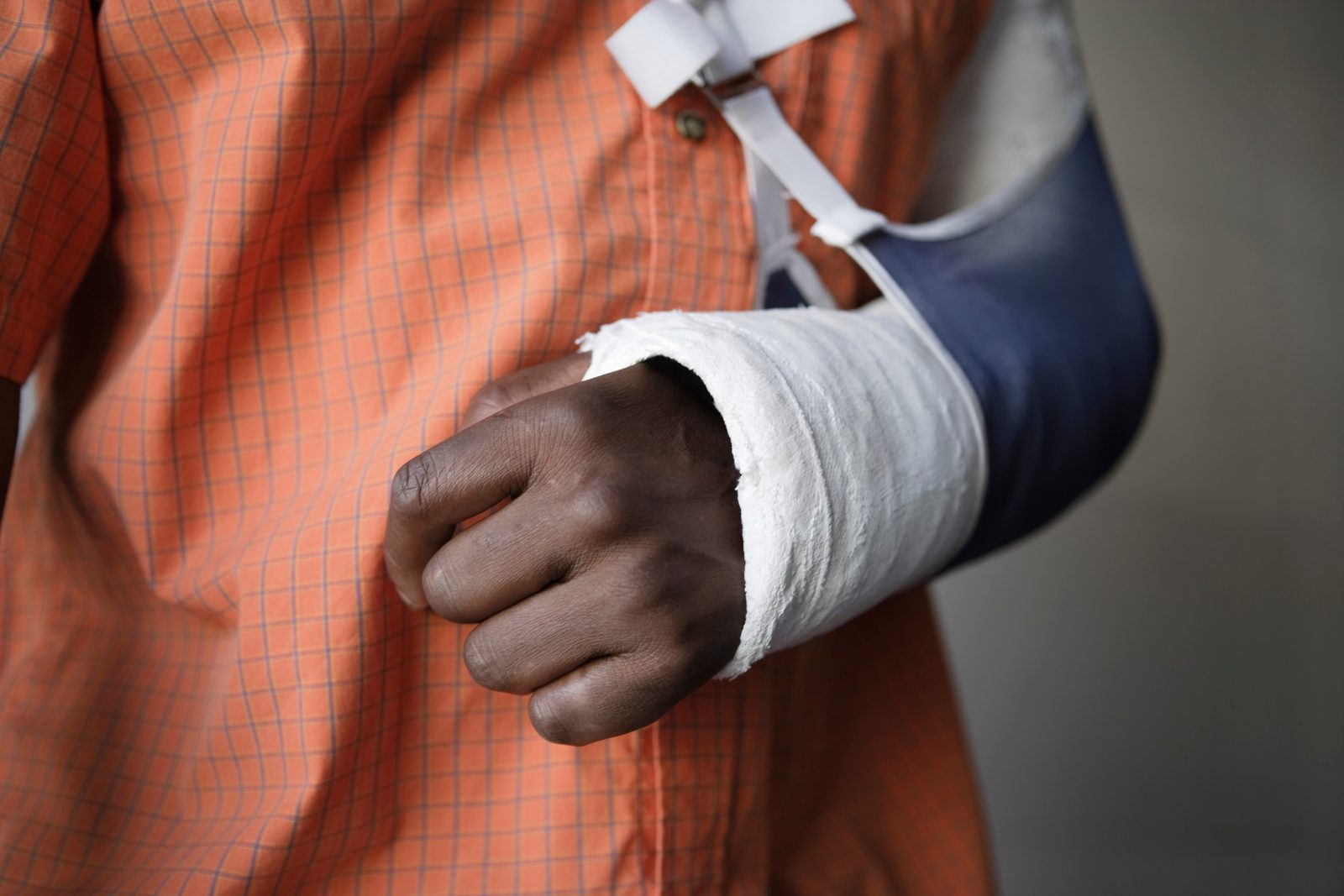
Orthopedic urgent care is a walk-in clinic for new bone, joint, and muscle injuries, staffed by an orthopedic team. At Proliance Orthopedic Urgent Care in Tacoma, you can get X-rays, splinting, and casting on-site, often in a single visit, with no appointment or referral needed.
Should I go to the ER or orthopedic urgent care for an injury?
Choose orthopedic urgent care for sprains, strains, suspected fractures, sports injuries, work injuries, and new back or joint pain. Go to the ER or call 911 for a bone breaking through the skin, heavy bleeding, a head injury, chest pain, trouble breathing, or loss of feeling in a limb.
Do I need an appointment for orthopedic urgent care in Tacoma?
No. Walk-ins are welcome Tuesday through Saturday, 11 AM to 7 PM, for patients ages 12 and older, and no referral is needed. Call (253) 722-0036 with questions or get directions to our Tacoma orthopedic urgent care.
Appointments
Seeing an Orthopedic Specialist
Where are Proliance Puget Sound Orthopaedics clinics located?
We have orthopedic clinics in Tacoma, Gig Harbor, and Lakewood, plus walk-in orthopedic urgent care in Tacoma and Puget Sound Imaging for MRI and X-ray.
How do I make an appointment with an orthopedic specialist?
Call (253) 830-5200 or request an appointment online. Our surgeons and physician assistants specialize in shoulder, hand and wrist, knee, hip, spine, foot and ankle, sports medicine, and joint replacement care.
Have a Question We Did Not Answer?
Our orthopedic specialists are here to help you get back to the activities you love. Request an appointment or call us at (253) 830-5200.
This page is for general education and is not a substitute for personal medical advice. If you have a medical emergency, call 911.